Gambling motifs Exploring chance in literature and film
The Nature of Chance in Storytelling
Chance has always played a pivotal role in storytelling, acting as a catalyst for conflict and character development. In literature and film, the unpredictable nature of chance can reflect the uncertainties of life, making narratives more relatable and engaging. Authors and filmmakers often use gambling motifs as metaphors for risk and reward, illustrating how decisions can lead to unforeseen consequences. For those looking for a thrilling escape, Jackpot City Casino offers an enticing blend of excitement and intrigue. This interplay between fate and free will is a common theme, inviting audiences to ponder the delicate balance between control and chaos.
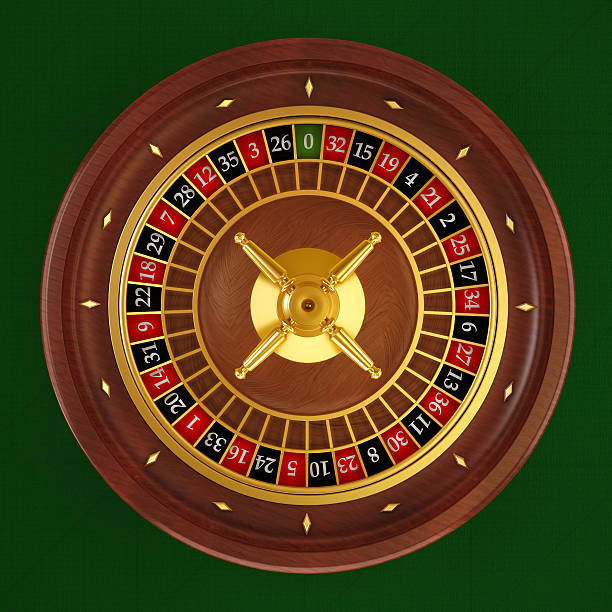
For instance, in classic literature, characters might engage in games of chance to symbolize their struggles against fate. These moments highlight the tension between what is predetermined and what can be influenced by personal agency. As viewers or readers invest in these narratives, they become more aware of the stakes involved, mirroring the real-life decisions we all face.
Symbolism of Gambling in Literature
The symbolism of gambling in literature often transcends mere chance, delving into deeper themes such as morality, desperation, and the human condition. Works like Fyodor Dostoevsky’s “The Gambler” exemplify how gambling can represent a character’s inner turmoil and existential crisis. Here, the act of wagering becomes a metaphor for the unpredictability of life, reflecting the psychological battles faced by individuals in their pursuit of happiness or fulfillment.
Additionally, literary motifs related to gambling can serve as a commentary on societal norms and human behavior. For example, characters might gamble as a means of escape or rebellion, challenging the status quo. This examination of gambling not only enhances the narrative but also provides insight into the characters’ motivations and the societal constructs that influence their actions.
Gambling in Film: Tension and Drama
In film, gambling motifs are frequently employed to build tension and drama. Movies such as “Casino Royale” or “Rounders” utilize high-stakes games to create thrilling climaxes and showcase character development. The visual representation of gambling allows filmmakers to capture the excitement and anxiety of chance, drawing audiences into the emotional core of the story.
Moreover, the portrayal of gambling in films often encapsulates the duality of chance—while it can lead to prosperity, it can also result in ruin. This dynamic is crucial in shaping character arcs and the overall narrative trajectory, compelling viewers to reflect on the fine line between success and failure in their own lives.
The Psychological Aspect of Gambling Motifs
Beyond the surface-level thrill, gambling motifs delve into the psychological aspects of risk-taking behavior. Characters who engage in gambling often exhibit complex traits, showcasing their desires, fears, and vulnerabilities. The allure of winning can serve as a driving force, but the possibility of loss introduces elements of despair and introspection, making these characters more multi-dimensional.
Furthermore, the psychological tension created through gambling in stories can resonate with audiences, who may find themselves empathizing with the characters’ struggles. This emotional connection enhances the overall impact of the narrative, making the examination of chance and risk more profound and relatable.

Exploring Gambling Motifs in Contemporary Media
Today, the exploration of gambling motifs continues to thrive in contemporary media. As society evolves, so too do the narratives surrounding chance, reflecting modern dilemmas and cultural shifts. Online platforms and streaming services have made diverse interpretations of gambling more accessible, allowing audiences to engage with these themes in various formats.
Additionally, the rise of digital gambling and the influence of technology have introduced new layers to the gambling narrative. As characters navigate the digital landscape of chance, themes of addiction and ethical dilemmas emerge, prompting critical discussions about the implications of gambling in the modern world. This evolution ensures that the motifs of chance remain relevant and thought-provoking in today’s storytelling landscape.