The psychology behind gambling Understanding the mind’s tricks in a casino environment
The Allure of Risk and Reward
Gambling is deeply rooted in the psychological principles of risk and reward. The thrill that comes with placing a bet stimulates the brain’s reward system, releasing dopamine and creating feelings of euphoria. This biological reaction encourages players to seek out more opportunities to gamble, reinforcing a cycle where the desire for that high becomes difficult to resist. In this context, many players are looking for options at a casino not on gamstop, which appeals to those who want to avoid restrictions while experiencing the excitement of betting.
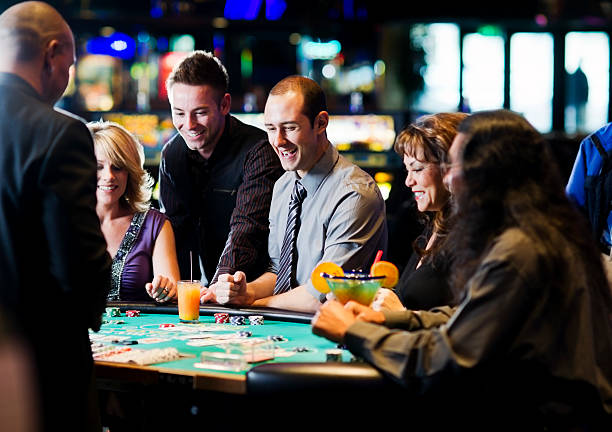
Moreover, the unpredictable nature of gambling heightens the excitement. Each spin of a slot machine or turn of a card presents a potential win, which keeps players engaged. This unpredictability can lead to a phenomenon known as “near misses,” where players come close to winning. These moments can lead to increased motivation to continue gambling, as they feel that success is just around the corner.
The Role of Environment
The casino environment is meticulously designed to manipulate the senses and enhance the gambling experience. From bright lights to tantalizing sounds, every element is crafted to maximize excitement and draw players in. For instance, the rhythmic chimes of slot machines and vibrant colors create an immersive atmosphere that can lead to disorientation and extended play.
Furthermore, the absence of clocks and windows in casinos helps to create a timeless environment, making it easy for individuals to lose track of time. This design strategy encourages prolonged engagement, allowing players to remain focused on the gambling experience rather than the passing hours, thus enhancing the likelihood of increased bets.
The Influence of Cognitive Biases
Cognitive biases significantly influence gambling behavior, leading players to make irrational decisions. One common bias is the “gambler’s fallacy,” where individuals believe that past events can influence future outcomes, such as thinking a losing streak must eventually end. This fallacy can lead to chasing losses, resulting in greater financial risk.
Another bias is the illusion of control, where players feel they can influence the outcome of a game despite its inherent randomness. This misconception often leads to overconfidence, causing gamblers to believe they have a winning strategy when, in reality, the odds are stacked against them.
The Social Dynamics of Gambling
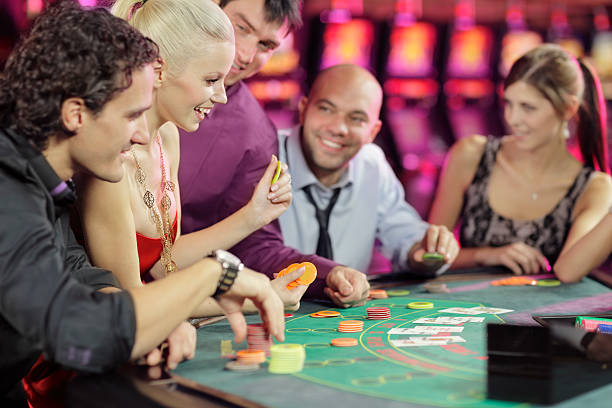
Gambling is not just an individual pursuit; it is often a social activity that can amplify psychological effects. Group dynamics can create a sense of camaraderie, and players may feel more inclined to take risks when surrounded by others. This collective environment can heighten emotions and lead to shared excitement, further encouraging gambling behavior.
Moreover, social validation plays a key role. When friends or family members cheer for someone’s win, it reinforces positive feelings and encourages continued play. Conversely, losses may be downplayed or ignored, leading to a skewed perception of gambling outcomes and an increased likelihood of repeat behavior.
Understanding Access to Gambling Resources
For those seeking guidance on navigating the complexities of gambling and its psychological aspects, understanding access to online resources is crucial. Websites dedicated to gambling education can provide insights into responsible gaming practices and strategies to mitigate the psychological traps that casinos may exploit.
It is essential for players to communicate any issues they face and seek assistance from trusted sources. This proactive approach ensures a more secure and informed gambling experience, allowing individuals to enjoy games responsibly while being aware of the psychological factors at play.