The History of Slot Machines
Slot machines, often seen as the heart of casinos, have a rich and intriguing history that dates back to the late 19th century. The first mechanical slot machine, known as the Liberty Bell, was invented by Charles Fey in 1895. This device featured three spinning reels adorned with five symbols, including horseshoes and playing cards. The simplicity of Fey’s invention quickly gained popularity, leading to the creation of various similar machines, including those found at 1win , across the United States. This early innovation laid the groundwork for what would evolve into a booming industry, captivating players with the thrill of chance.
As technology progressed, so did the design and functionality of slot machines. The 1960s heralded the arrival of the first electromechanical slot machines, which allowed for new game mechanics and larger payout capabilities. These advancements paved the way for a more dynamic gaming experience, attracting a broader audience. By the late 20th century, the advent of digital technology gave rise to video slot machines, offering players immersive graphics and sound effects. This transformation not only enhanced gameplay but also introduced themed slots based on movies, music, and pop culture, making them more engaging for players from all walks of life.
Today, slot machines have transcended physical casinos, thanks to the rise of online gaming platforms. Players can access a plethora of games from the comfort of their homes, with countless variations and themes available at their fingertips. From classic fruit machines to intricate video slots, the digital evolution has significantly increased accessibility and player engagement. As technology continues to advance, slot machines remain a staple in the gaming industry, captivating players worldwide with their allure and excitement.
Common Myths About Slot Machines
Numerous myths surround the world of slot machines, often leading to misconceptions among players that can skew their understanding and expectations. One prevalent myth is the belief that certain machines are “due” for a win after a streak of losses. This notion stems from the idea that machines follow a predictable pattern that can be exploited. However, it is crucial to understand that slot machines operate on random number generators (RNGs), which ensure that each spin is independent of previous outcomes, making it impossible to predict when a machine will pay out.
Another common myth is that players can manipulate slot machines by employing specific strategies, such as playing during peak hours or focusing on machines that appear to be “hot.” In reality, the outcome of each spin is determined solely by chance, and no external factor can influence these results. This misunderstanding can lead to frustration for players who expect a logical correlation between their betting patterns and the machine’s outcomes, ultimately affecting their overall gaming experience and potentially leading to irresponsible betting behaviors.
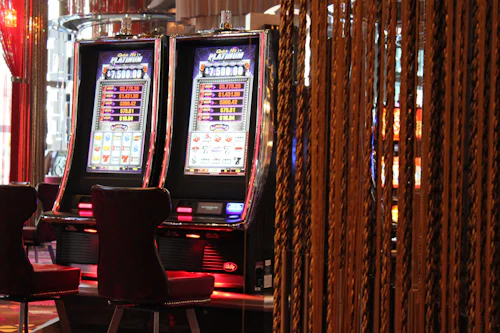
Moreover, there’s a widespread belief that higher denomination machines yield better payouts, leading players to assume that playing more expensive slots guarantees winnings. While it is true that some high-stakes slots may offer larger jackpots, payout percentages vary widely among all types of machines and are not solely dependent on the bet size. Understanding that larger bets do not guarantee better returns is essential for responsible gaming and informed decision-making, allowing players to engage in the activity with a more realistic perspective.
The Mechanics Behind Slot Machines
Understanding the mechanics behind slot machines can significantly enhance your gaming experience. At the core of every slot machine is the random number generator (RNG), a sophisticated algorithm that constantly generates numbers, even when the machine is not in use. When a player presses the spin button, the RNG determines the outcome of that spin, ensuring all results are random and fair. This technology is crucial for maintaining the integrity of the game and helps to reassure players that they are not being manipulated or cheated.
Each slot machine is programmed with a specific payout percentage, known as the return to player (RTP) rate. This percentage represents the average amount of wagered money that a machine returns to players over time. For instance, a machine with an RTP of 95% will return an average of $95 for every $100 wagered, though this is based on extensive play and not a guarantee for individual sessions. Understanding RTP can assist players in making more informed choices about which games to play, allowing them to select machines that align with their gaming preferences and financial strategies.
Additionally, modern slot machines often feature various bonus rounds and interactive elements that enhance player engagement. These features can range from free spins to multipliers and unique mini-games that present opportunities for additional winnings. While these elements add excitement and variety to the gameplay, it is important to remember that they are still governed by RNG technology, ensuring that every outcome remains random and unpredictable. Players should enjoy these features as enhancements to their experience rather than as guaranteed pathways to winning.
The Psychology of Playing Slots
The psychology behind playing slot machines is a fascinating area of study, intriguing researchers and casino operators alike. One key factor influencing players is the concept of variable rewards. Much like a lottery, the unpredictability of winning can create a rush of excitement, prompting players to continue playing despite previous losses. This psychological mechanism taps into the brain’s reward system, releasing dopamine and fostering a sense of thrill that can be both enjoyable and addictive, leading to extended gaming sessions.

Players may also experience a phenomenon known as “near misses,” which occurs when their spins come close to winning combinations without actually securing a payout. These near misses can enhance the desire to keep playing, as players may feel that they are on the verge of hitting the jackpot. Casinos are well aware of this psychological effect and often design their machines to maximize such experiences, strategically encouraging players to remain engaged and hopeful for a win while simultaneously managing their expectations.
Furthermore, the design of slot machines is intentionally crafted to be visually stimulating. Bright lights, captivating themes, and engaging sounds create an immersive environment that captures players’ attention. This sensory overload can contribute to prolonged gaming sessions, often making it challenging for players to walk away. By understanding the psychological elements at play, players can approach slot machines with a more mindful mindset, promoting healthier gaming habits and enhancing their overall enjoyment of the game.
Concluding Thoughts on Slot Machines
In summary, slot machines represent a complex blend of history, engineering, and psychology. While numerous myths persist regarding their gameplay mechanics and strategies, the reality is that slot machines operate on RNG technology, ensuring fairness and randomness in outcomes. Understanding these facts can empower players to approach these popular games with a clearer perspective, fostering a more enjoyable and responsible gaming experience that prioritizes entertainment over unrealistic expectations.
As the gaming landscape continues to evolve, players enjoy a vast array of options, from traditional mechanical designs to innovative video slots available online. Recognizing the mechanics, debunking myths, and appreciating the psychological factors involved can significantly enhance the enjoyment of playing while mitigating potential risks associated with gaming. Ultimately, the key lies in playing for entertainment and setting personal boundaries to ensure a positive and fulfilling experience.
For those seeking to delve deeper into the world of slot machines, including tips, strategies, and game variations, a wealth of resources are available online. Engaging with knowledgeable communities and educational platforms can provide valuable insights, empowering players to navigate the fascinating world of slots with confidence and understanding. By equipping themselves with knowledge, players can maximize their enjoyment while minimizing the potential pitfalls of gaming.